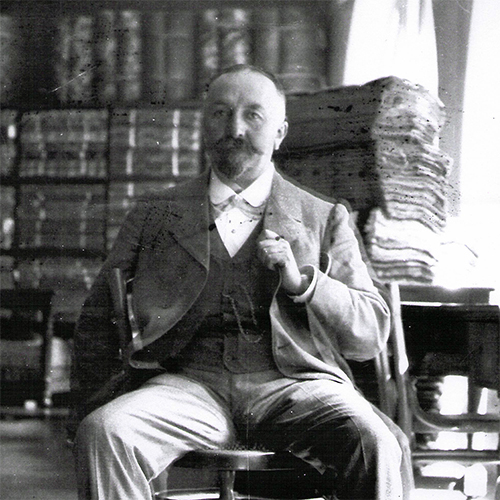
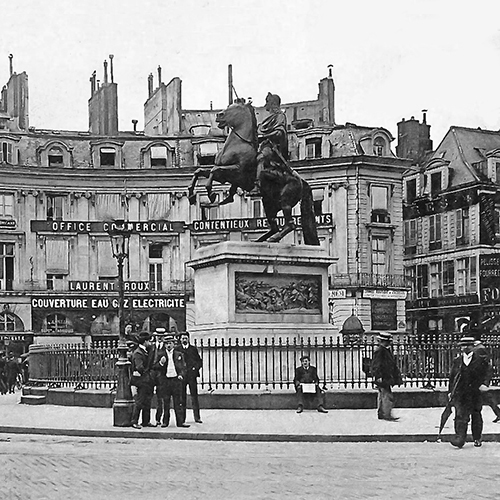
En 1850, Désiré Petit installe à Paris un commerce d’étoffes pour ameublement. La société qu’il crée le 1er juillet 1872, avec son fils Albert, a pour objet la création et l’édition de tissus d’ameublement haut de gamme fabriqués exclusivement en France.
Le 1er octobre 1891, la Maison s’installe au 23, rue du Mail Paris 75002 dans un immeuble de type Eiffel, construit « à usage du commerce des étoffes ». Le Showroom EDMOND PETIT vous accueille toujours à cette adresse historique.
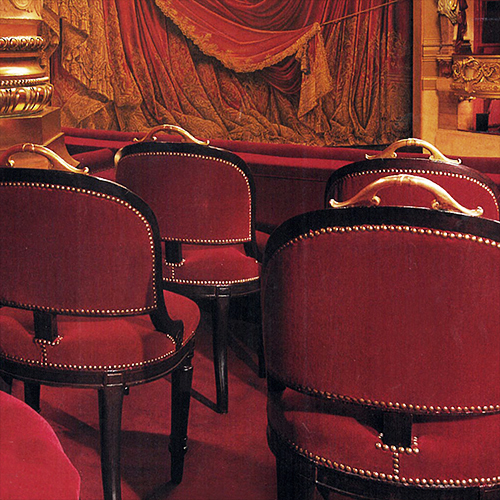
En 1950, grâce à un employé-tapissier féru de théâtre, l’entreprise se développe et fabrique les premiers velours non-feu adaptés aux sièges des salles de spectacle et aux rideaux de scène. Depuis 1960, la gamme des tissus techniques s’étoffe et la société ouvre un atelier de confection spécifique pour le scénique qui permet de répondre et fournir des solutions aux diverses demandes des professionnels.
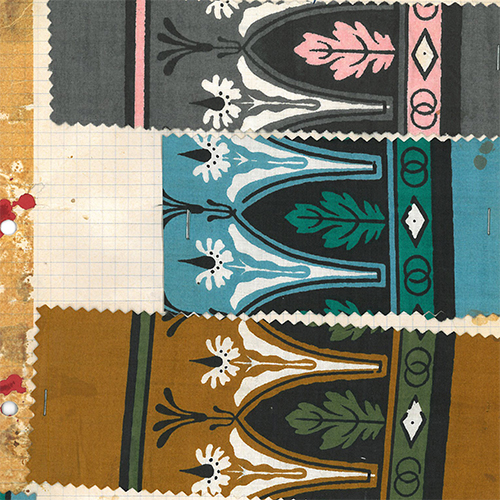
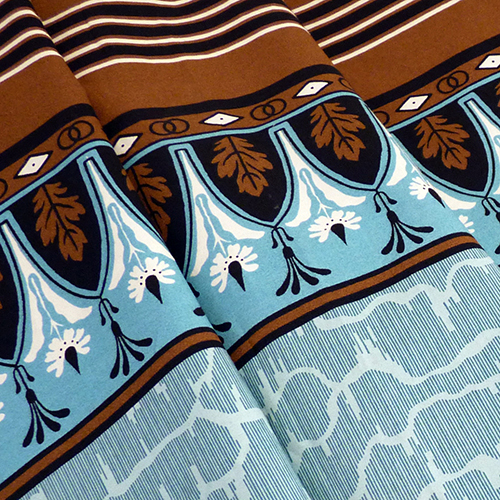
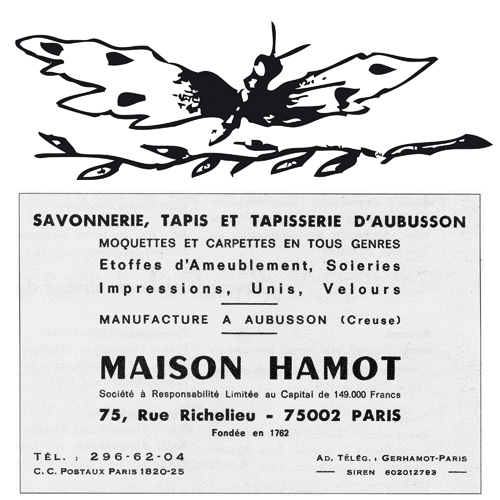
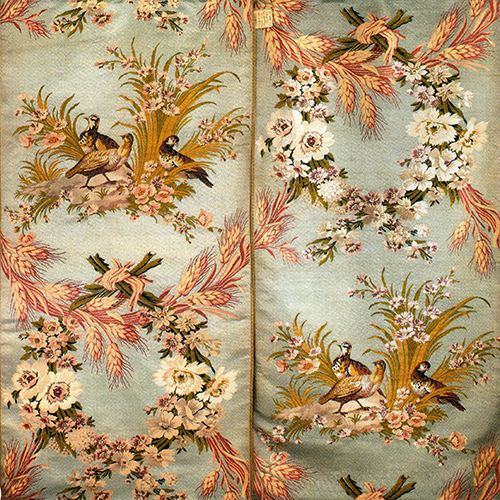
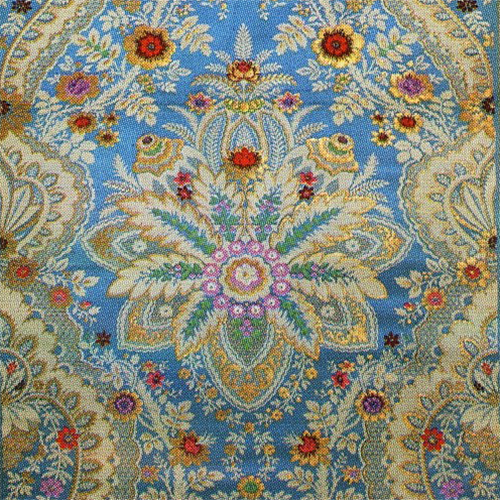
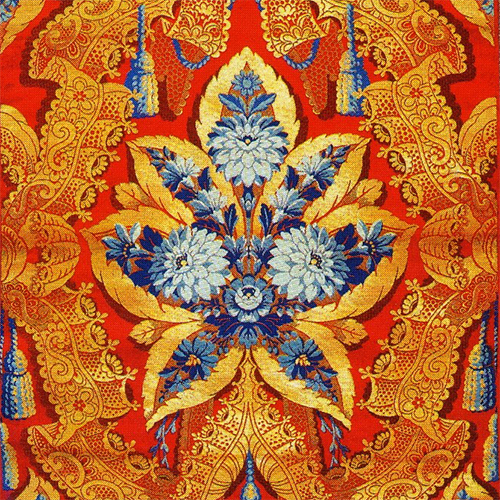
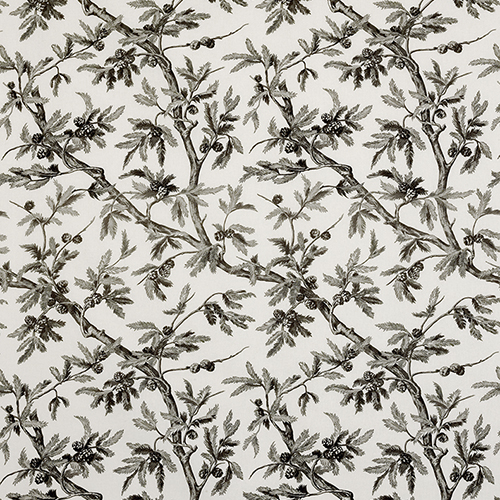
En 2000, Edmond Petit rachète la collection d’imprimés de l’illustre Maison Hamot, fondée en 1762 et réédite ses plus célèbres dessins, dont la collection de Madeleine Castaing, en textile et papier peint. Aujourd’hui, Edmond Petit propose également une grande diversité de tissus de décoration et depuis 5 ans en partenariat avec un imprimeur français de magnifiques collections de papiers peints et de panoramiques.
Sous le règne de Louis XV, les créateurs de la Maison Hamot étaient des maîtres-fabricants de soieries à Lyon, également marchands d’étoffes à Paris, comme Seguin ou Michel, qui peuvent être considérés comme les pères fondateurs de cette maison parisienne.
Plutôt discrète auprès du grand public, cette maison figurait parmi les fournisseurs attitrés du Garde-Meuble sous tous les régimes, depuis les commandes d’étoffes bien identifiées pour Versailles ou les Tuileries, sous Louis XVI et Napoléon 1er, jusqu’au Palais de l’Elysée ou au Grand Trianon sous la présidence du Général de Gaulle.
Après le décès du propriétaire de la maison Hamot en 2000, Jean-François Petit achète la partie textile de la société. Aujourd’hui, la notoriété de la collection Hamot a largement dépassé le cercle restreint des spécialistes du textile. Les documents d’archives du XVe au XVIIIe siècle, tissés sur métier à bras avec des qualités de soies exceptionnelles, révèlent de prestigieuses soieries fabriquées par les plus grandes maisons lyonnaises de l’époque. Ces archives peuvent être des sources d’inspiration pour les décorateurs contemporains souhaitant rééditer des textiles dans le domaine du patrimoine. Elles sont consultables sur rendez-vous.
LE STYLE MADELEINE CASTAING
L’anticonformiste intemporelle
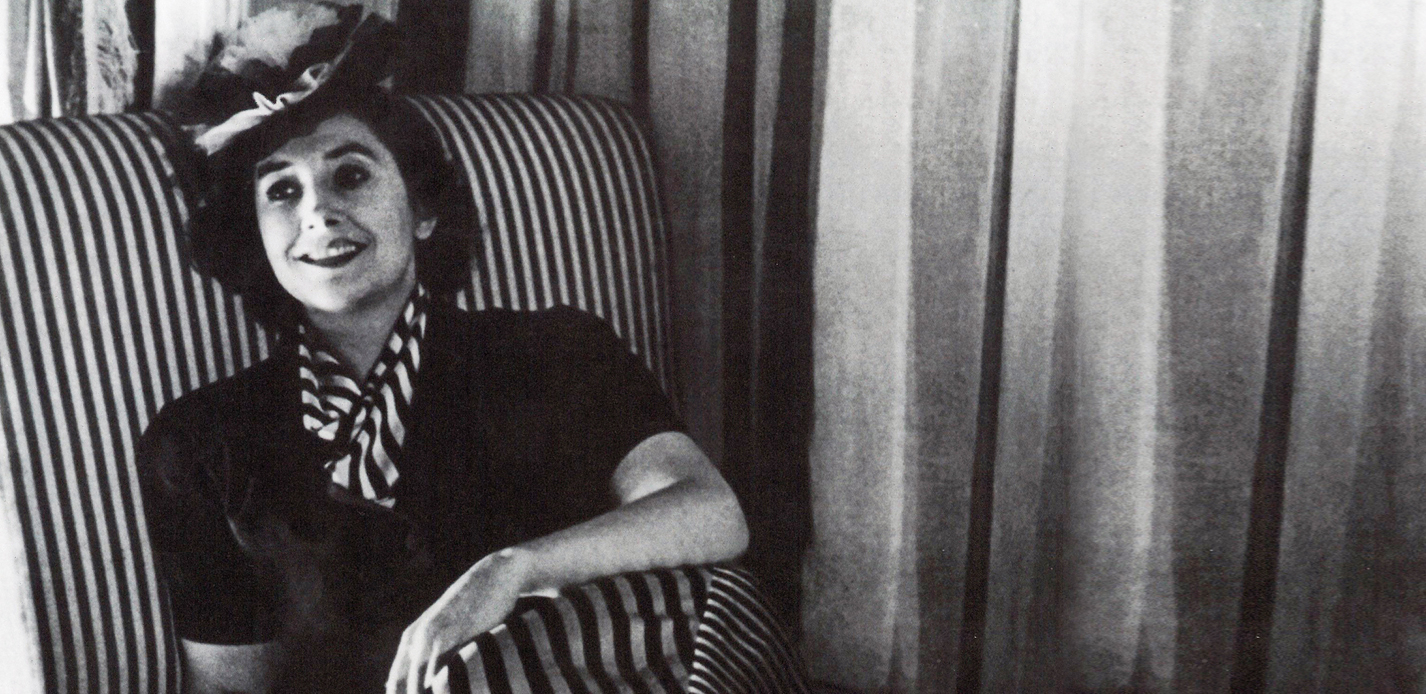
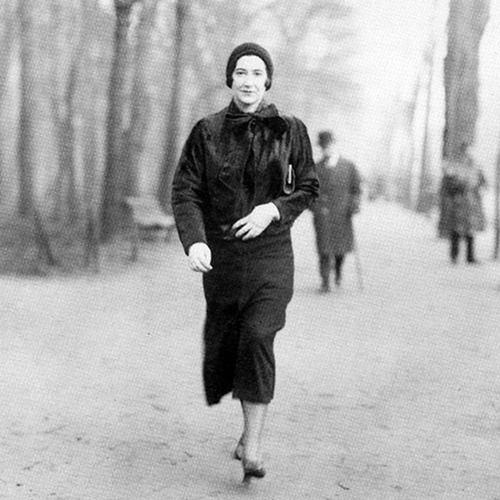
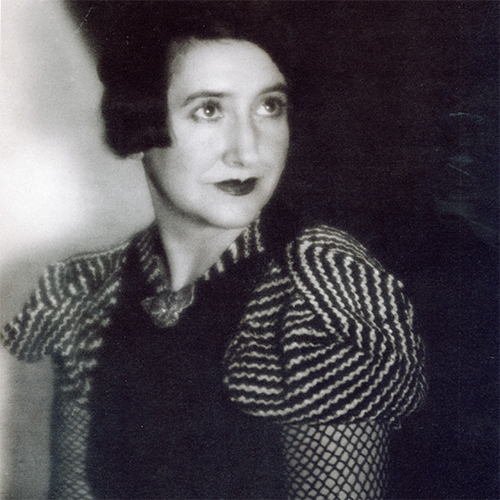
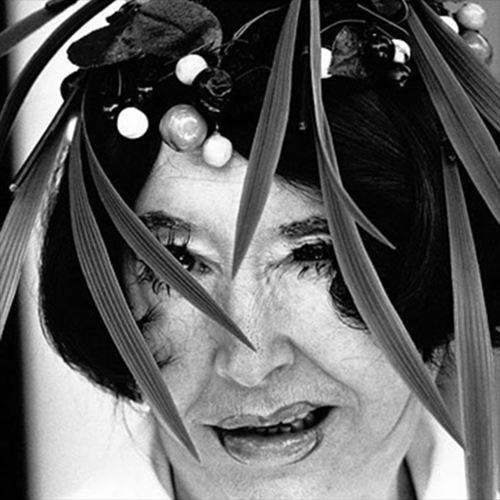
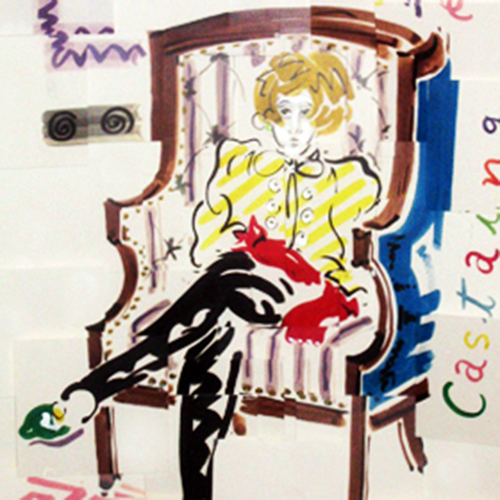
Madeleine Castaing (1894- 1992) fût la première décoratrice française à devenir célèbre à l’étranger. Elle a tant accumulé de documents, d’étoffes, de papiers peints, de gravures qu’elle créa avec son ami Francis Hamot des tissus et moquettes réalisés qu’elle seule distribuait dans sa boutique parisienne.
Au décès de ce dernier, la Maison Edmond Petit achète la collection textile de Francis Hamot et de Madeleine Castaing. Aujourd’hui ses tissus et papiers peint sont vendus en exclusivité à travers le monde.
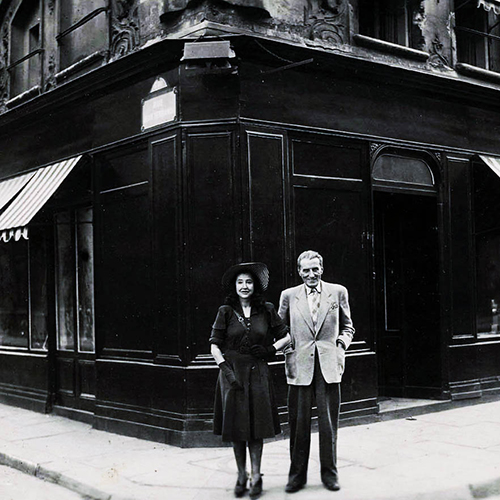
Madeleine Castaing avec son mari Marcellin, devant sa “galerie d’antiquité”, boutique situé à St Germain des Prés, Paris.
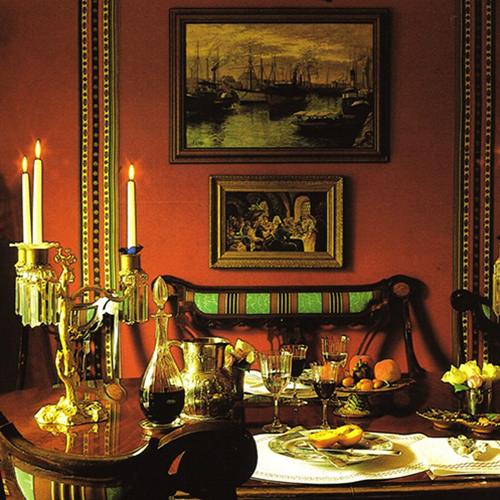
Madeleine Castaing aimait mélanger le Napoléon III, le Regency anglais et le Directoire avec le Biedermeier ; s'inscrivant dans un mouvement de renouveau. La décoratrice se distinguait en mixant les genres. Elle s’inspirait principalement de l’esthétique néoclassique, auquel elle ajoutait sa touche personnelle : une pointe de proustien et un esprit français à l’état pur.
Presque plus psychologue et historienne que décoratrice, Madeleine Castaing s’imprégnait des envies de ses clients, entrant dans leur intimité pour métamorphoser leur intérieur. « Je fais des maisons comme d’autres font des poèmes », aimait-elle répéter. Madeleine Castaing racontait toujours une histoire à travers les objets, les étoffes, le mobilier et leurs compositions.
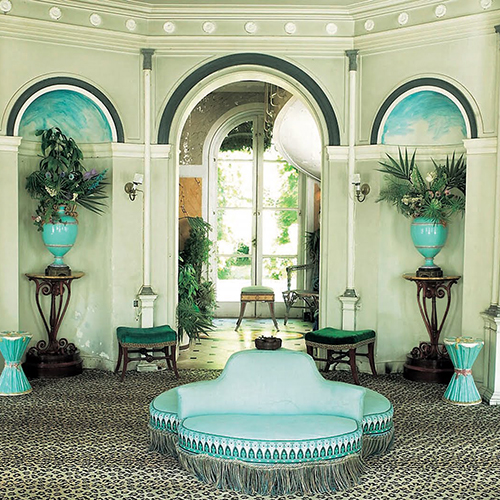
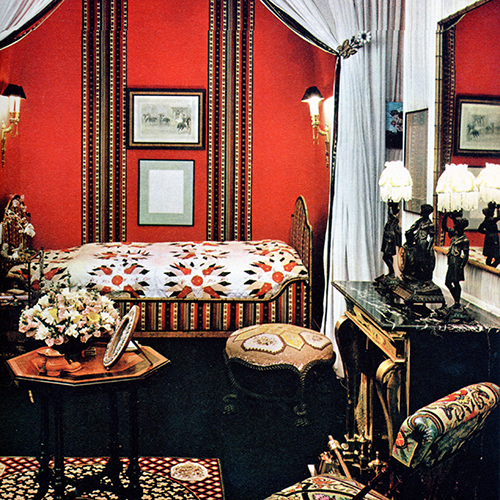
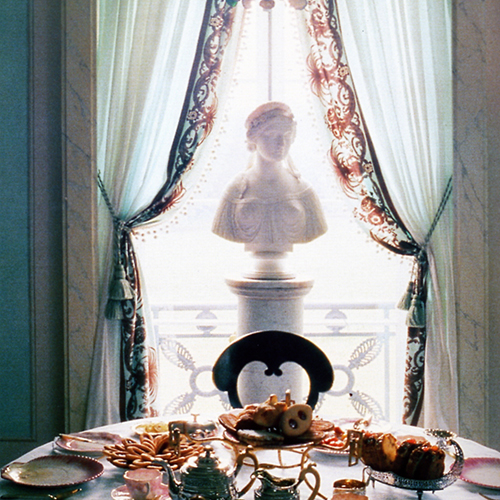
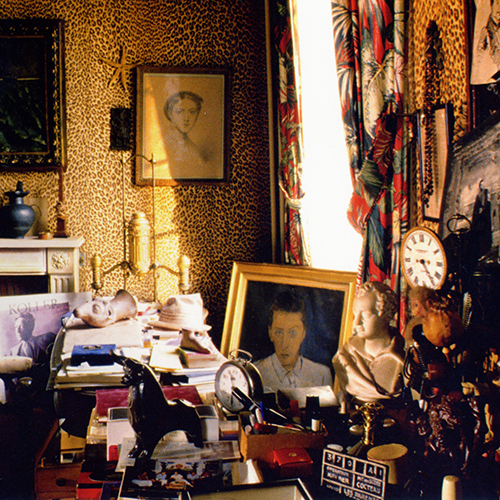
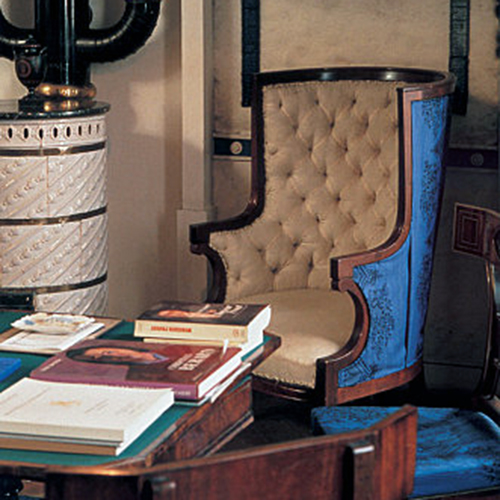
1 appartement de Mr Zouari – 2 rotonde de l’entrée de sa maison à Lèves – 3 hôtel particulier de Mme
Weisweillers, Paris – 4 salle à manger du château de Vauboyen – 5 bureau de Jean-Cocteau à Milly la
Forêt – 6 salle de jeu de son appartement parisien.
Parmi les grands noms, dans son entourage naviguait : Picasso, Modigliani et Soutine dont elle devint mécène et qu’elle hébergea chez elle à Lèves. Dans cette demeure elle recevait les artistes et mondains de son époque : Cendrars, Satie, Maurice Sachs, Cocteau… Ce dernier lui fit même demande de décorer sa maison de Milly-la-Forêt. Feuillages côtoyant léopard… faisant de la chambre de l’écrivain un genre de cabinet de curiosité, redonnant à son intérieur un air aventurier voyageur.
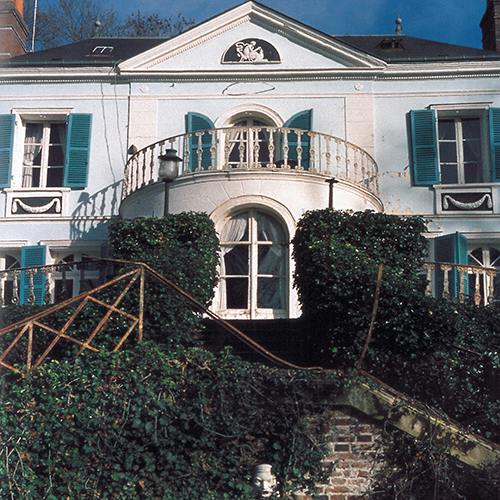
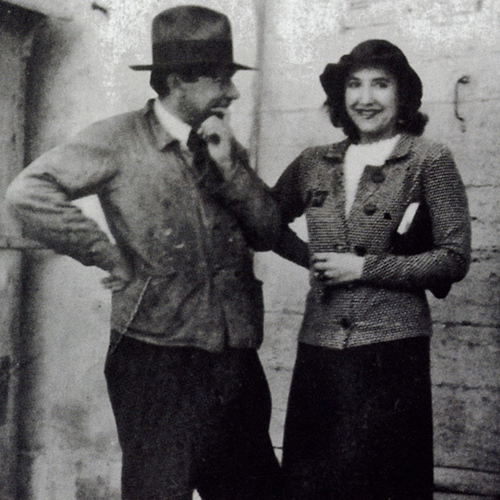
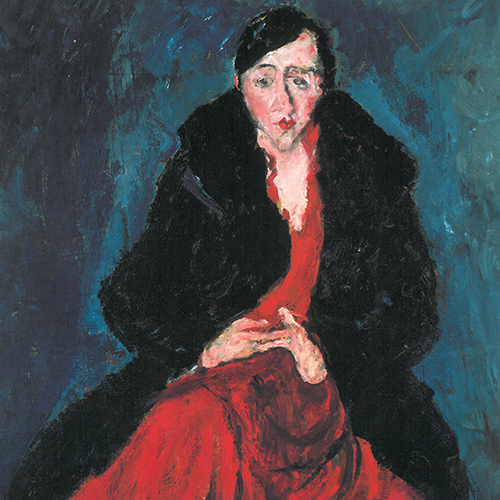
1 maison de Madeleine Castaing à Lèves – 2 Madeleine Castaing et Soutine - 3 portrait de Madeleine
Castaing, par Soutine.
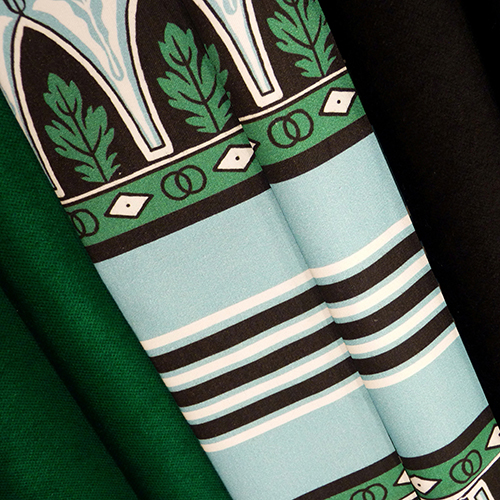
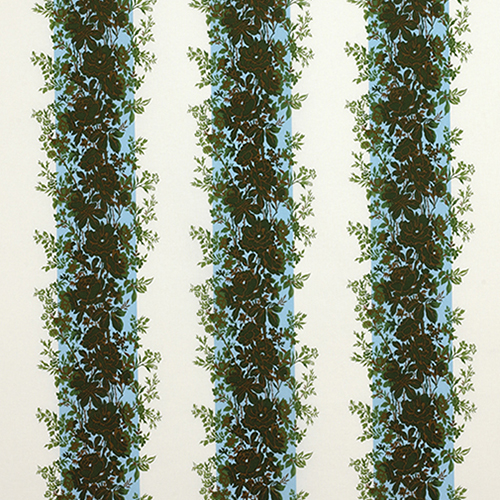
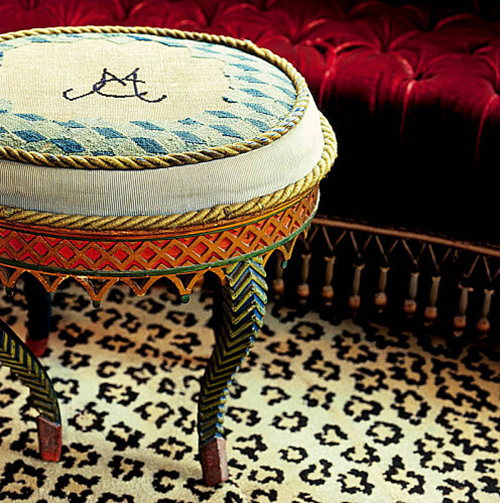
Ses couleurs fétiches : le noir, le vert qu’elle affectionne particulièrement car il lui permet de « faire entrer l’extérieur dans les intérieurs », comme elle déclarait. Ce fameux « bleu Castaing », hybride entre le bleu ciel et le turquoise, qui représente littéralement sa signature, le bleu des yeux de Marcelin l’homme de sa vie. Elle utilise également des couleurs plus fortes comme le rouge, le moutarde associé au noir avec lesquelles elle n’hésite pas à mêler un imprimé panthère.
Le Style Castaing est devenu une œuvre à part entière, il fait partie intégrante de l’histoire de la décoration française. Ses textiles et papiers peints sont référencés dans les collections du Musée des Arts Décoratifs de Paris.